Breaking Down the Wall: Why "Fence-Sitting" on Ableism is No Longer an Option
A look at ableism.
12/1/20252 min read
I’ve started recording episodes for Rights Upfront Season 2, and my recent chat with Ashley Young sparked a need to dive deeper. If my previous posts focused on strategic disclosure and personal adaptation, today I'm tackling the system I find myself pushing against: Ableism.
Before I start, I want to acknowledge my own bias: I am a disabled male with the privilege of being white. This intersectional perspective inevitably shapes my understanding and how this article is received.
Here's the truth: I can’t afford to be neutral on these issues. There is no middle ground. As they said during apartheid in South Africa, there can be "no normality in an abnormal society." When a system is unjust, simply "fence-sitting" helps maintain the status quo.
1. The Invisible Framework: What is Ableism?
I've realised that many of the psychological and social 'truths' we're taught about how humans function are actually pretty outdated. These ideas often come from old Western models that were heavily shaped by colonialism and capitalism.
Why does that matter? Because these systems judge human worth mainly on one thing: how productive you are in the marketplace. We see this most in Politics when politicians want to convey their discomfort with disabled people and benefits, for example. They may want to show disabled people as a burden a drain rather than highlighting why there is a need for supporting disabled people.
At its heart, Ableism is the belief system that oppresses disabled people. It works by insisting that a non-disabled perspective is the only normal, 'right' way to exist. This creates a deeply unequal world where disabled people are treated as inferior. This so-called 'normality' isn't just about being healthy; it secretly blends with other unfair standards, valuing youth, wealth, thinness, and whiteness above all else.
2. The Language Barrier: Why Labels Hurt
This system of Ableism is baked into the very language we use. Think about how the term 'deaf and dumb' was in use not long ago, or how the label 'disability' itself can feel like a label of deficit.
The problem goes even deeper. Because we live in a world driven by capitalist ideals, the narrative of disability often focuses on impaired 'productivity.' This global colonization by Western ideas about disability often operates as the default, silencing other local voices that might have a more positive, strengths-based view. The historic legacy tells me: if you are not productive according to capitalist standards, your human value is questioned.
3. Decolonising the Mind and Disrupting Norms
Ableism is a largely invisible force that negatively colours how I view a huge part of society—a group which, arguably, will include all of us eventually.
I need to continually examine my own beliefs and prejudices. This requires constant effort to challenge and rewire my own mental programming. It means confronting my internalised Ableist thoughts through ongoing reflection and learning.
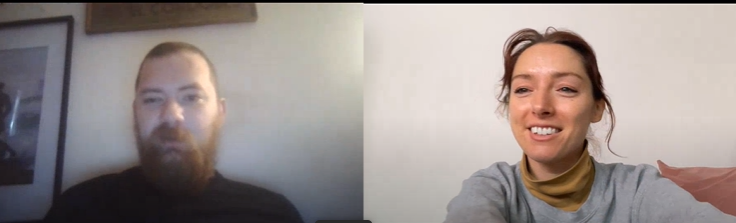
This is why the core message from my chat with Ashley Young, who I interviewed today is so vital. During our conversation I shared with her how my own adaptation—like getting dressed in the morning or tying my shoelaces with just one hand is often treated as a heroic feat by non-disabled observers. As I told her, "that’s just how I do it."
Ashley brilliantly reinforced this when discussing being a parent. She noted that "parenting just looks different for everyone anyway, whether you have a disability or not." If two non-disabled parents do things differently, what is the issue with a disabled person having their own unique process? The issue is the Ableism in the gaze.
To truly disrupt these 'normative' spaces, I need constant guidance, support, and, most importantly, exposure to the meaningful presence of disabled voices and bodies.
Chandos@chandy.org.uk
Contact Information